The Indian Government has taken many initiatives to address rural poverty, but in the process the rise in urban poverty has been somewhat neglected.
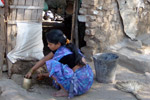
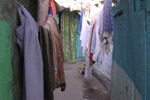
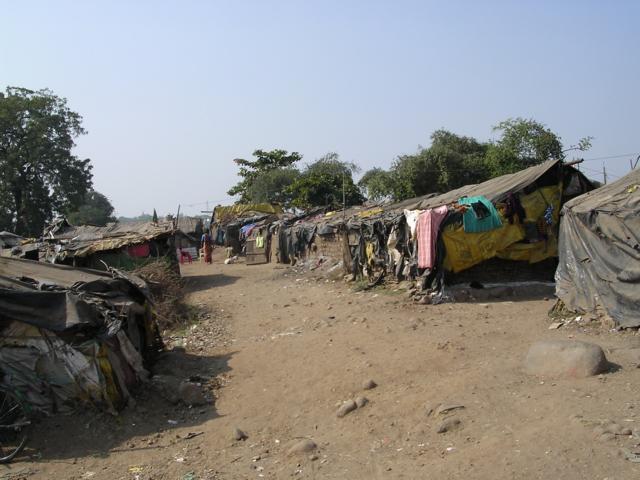
In Nagpur, approximately 40 % of the population live in slums. There are 289 notified (legal) slums, where inhabitants pay taxes and 135 non-notified (illegal) slums. The inhabitants are mostly rickshaw puller, seasonal small vendors, house maid servants with a family income ranging from a meagre Rs.1500 to Rs.3000 (£23 to £46) per month. After a hard and low-earning working day, most of the men spend their daily earnings on home made illicit liquor which is very harmful to the human body. Excessive alcohol consumption is the most common cause for an early death amongst the men in the slum areas. In addition, due to poor hygiene, poor sewage systems and irregular clearing of the garbage, diseases including malaria, cholera and abdominal problems are widely spread among the slum dwellers.
Since 2006, in an effort to address some of these issues the Sangam has initiated development work with in the Urban Slums. The two Slum-Centres are currently in Saraswati Nagar and Sewa Nagar slums and through these three Slum-Centres the Sangam reaches out into 15 of the urban slums with more than 70,000 residents.
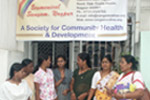
The Slum Team consists of a Slum Co-ordinator, two Health Field Workers assisted by two Sewing Class Teachers. The Slum Team have made a survey of the 15 slums, visiting all the slum dwellers houses and are able to maintain a very close contact with the residents and their families. The main focus of the Slum Team is to improve the living standards of the people by seeking their involvement and participation in the various activities of the Ecumenical Sangam.
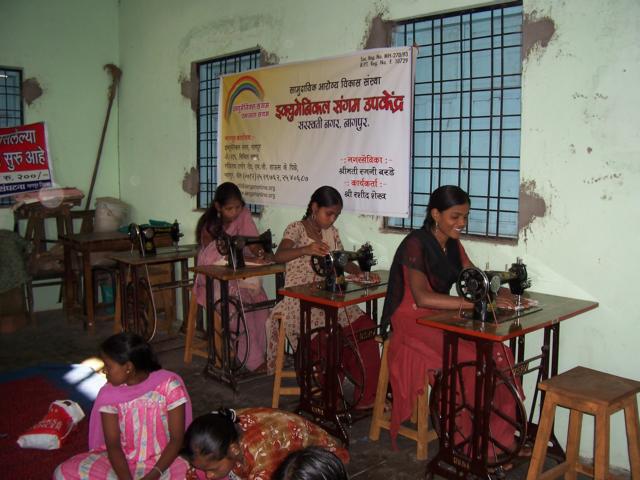
Young men and women from the slums are encouraged to stay at the Sangam's Base Centre in Bamhani and attend either the Electrical Installation and Motor Repair or the Two Wheeler Repair and Maintenance Course in the Technical College. On their successful completion of these training courses or a Tailoring and Sewing Class in the Slum Centre, they are able to take up jobs in the city or with the assistance of a Micro Finance loan from the Sangam set up their own business.
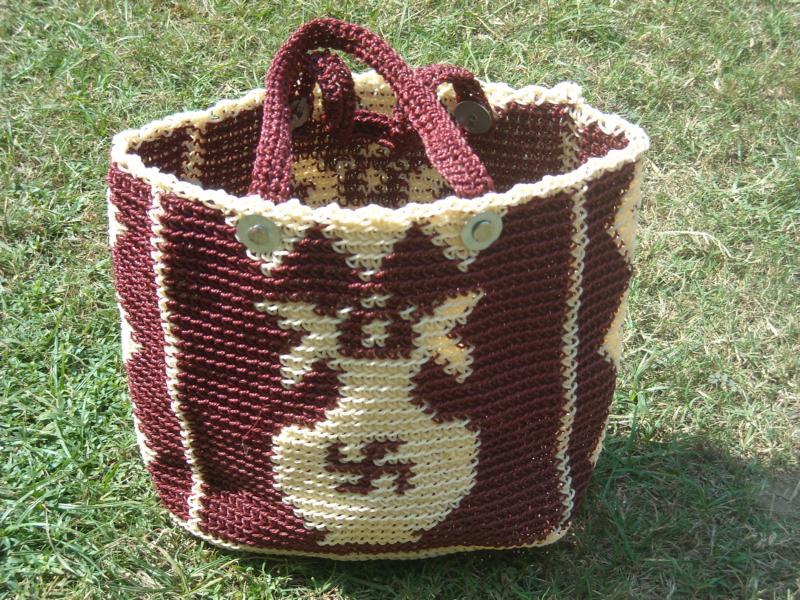
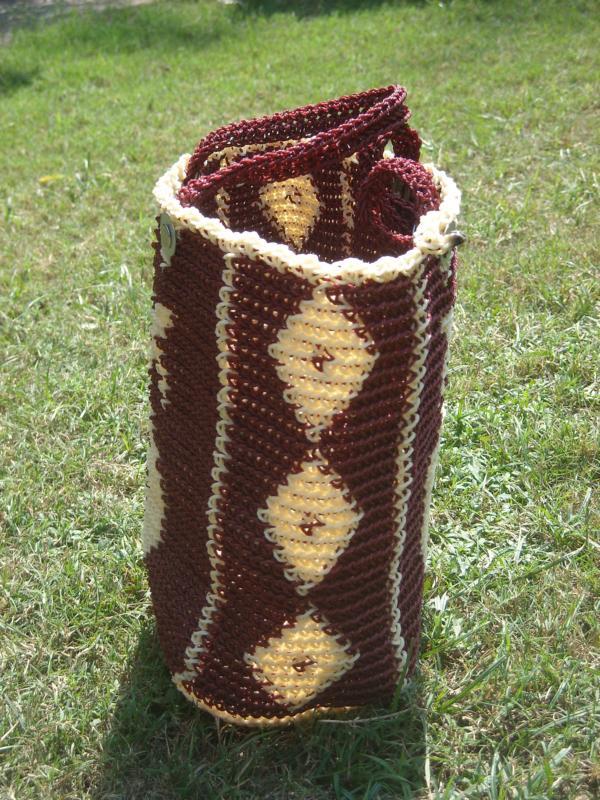
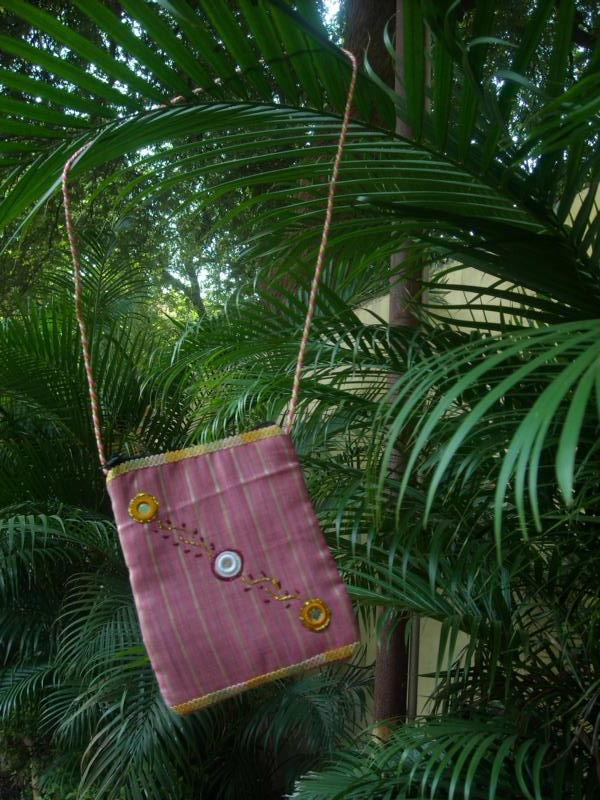
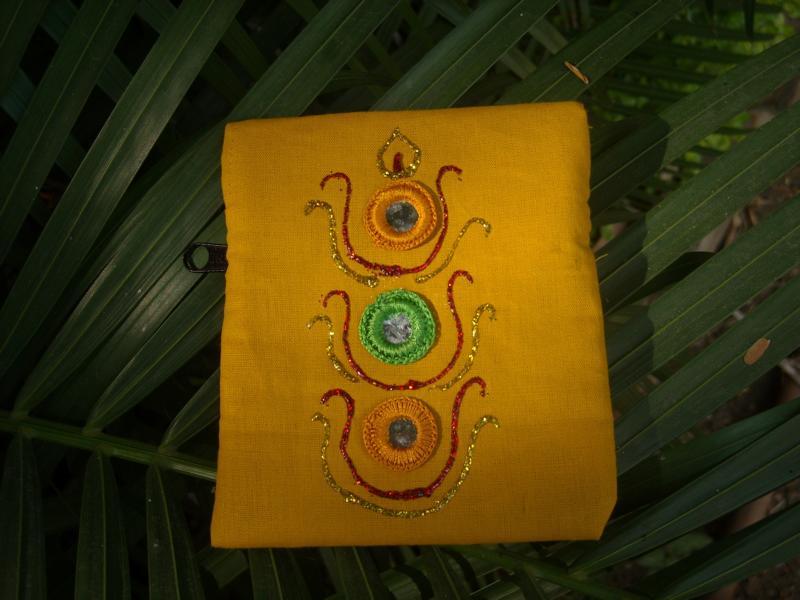
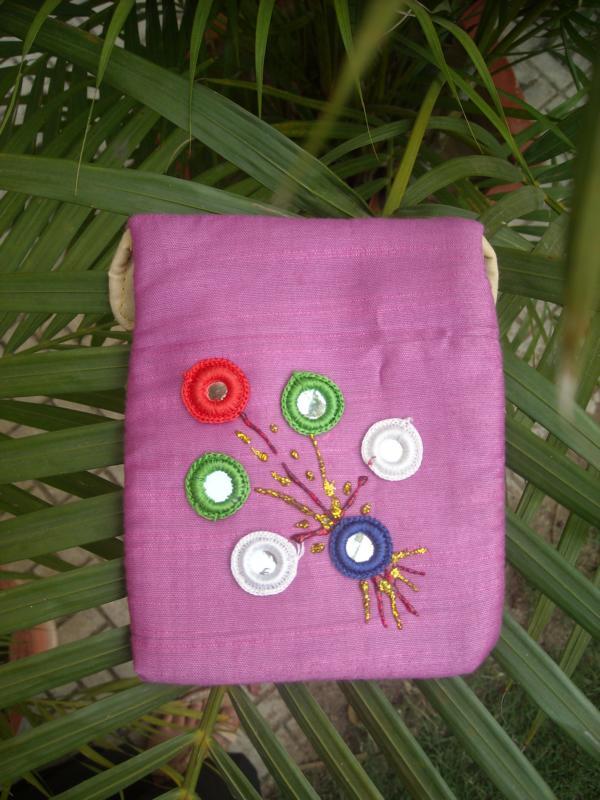
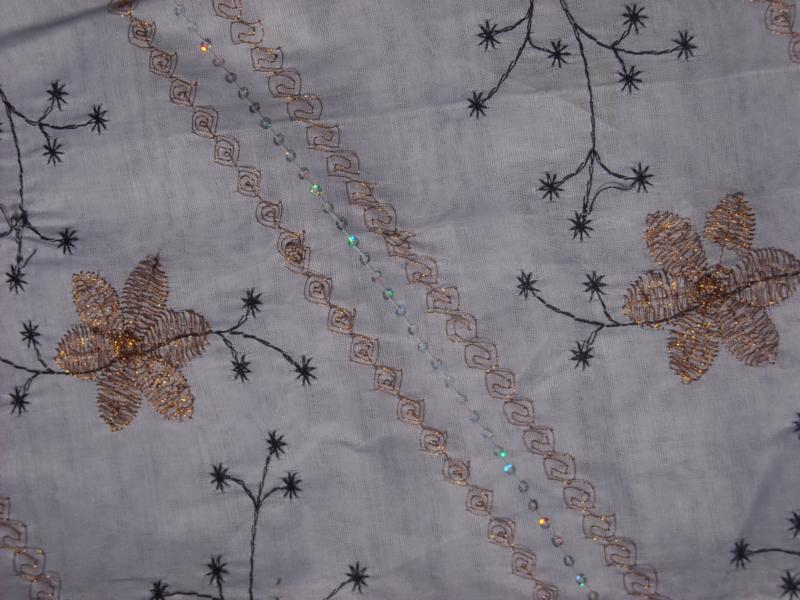
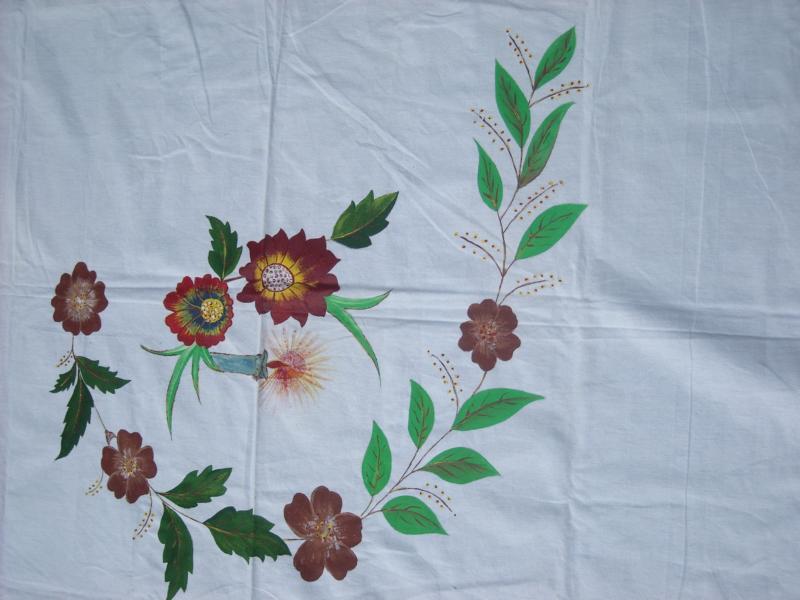
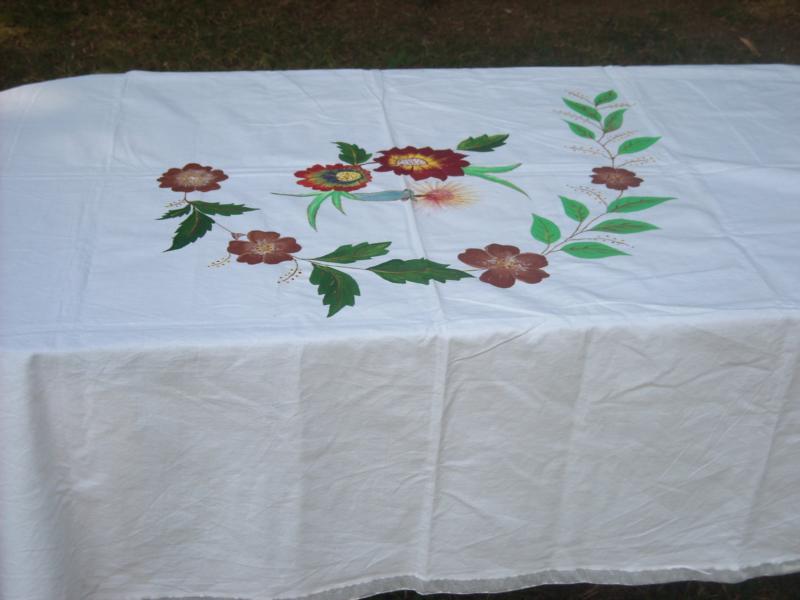
The Slum Teams activities include the raising of general awareness on health, hygiene and sanitation issues and generating additional income through Tailoring and Sewing Classes, training in hand embroidery and mehndi (ornate henna decoration for festivals and weddings), making soap powder, disinfectant and candles. The formation of Self Help Groups (SHGs) encourages the women to help themselves in organising small saving groups and enables them to participate in the Ecumenical Sangam's Microfinance scheme.
Through the Self Help Groups, the women are motivated to meet regularly in order to discuss local issues and concerns, including the importance of regular saving. The ultimate aim is to make the women self sufficient, so that they will be able to effectively deal with the many different issues and challenges of the slums without being dependant on any Non Government Organisation or other bodies.
|